Taste of Java - Authentic flavors of Central Java cuisine

Taste of Java highlights the flavors of Central Java, where rice and spicy sambal form the core of daily meals. Sweet soy sauce (kecap) and generous use of sugar, especially in drinks, are common. Fried dishes are widespread, making meals rich and flavorful, while fruits are often served with salt or sweet-spicy sauces. Because the region is largely halal, pork is uncommon, though specialty places that serve it can still be found. Eating with hands and sitting on the ground at low tables is popular, especially at street food stalls, reflecting the informal and social dining culture of Central Java.

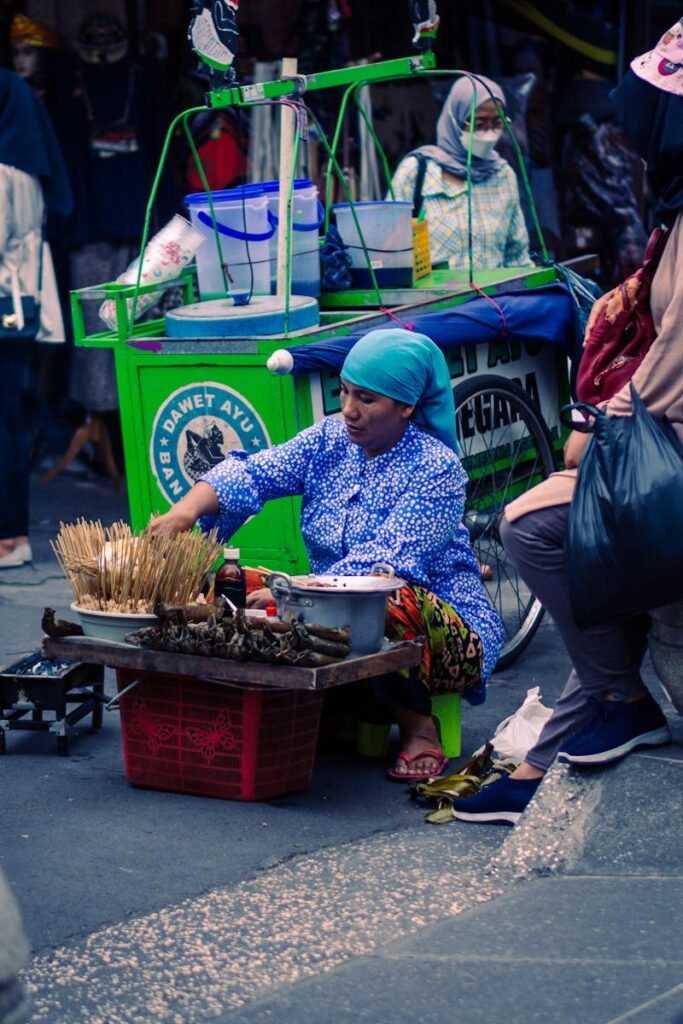
A woman street vendor selling traditional snacks on a vibrant street in Yogyakarta, Indonesia.
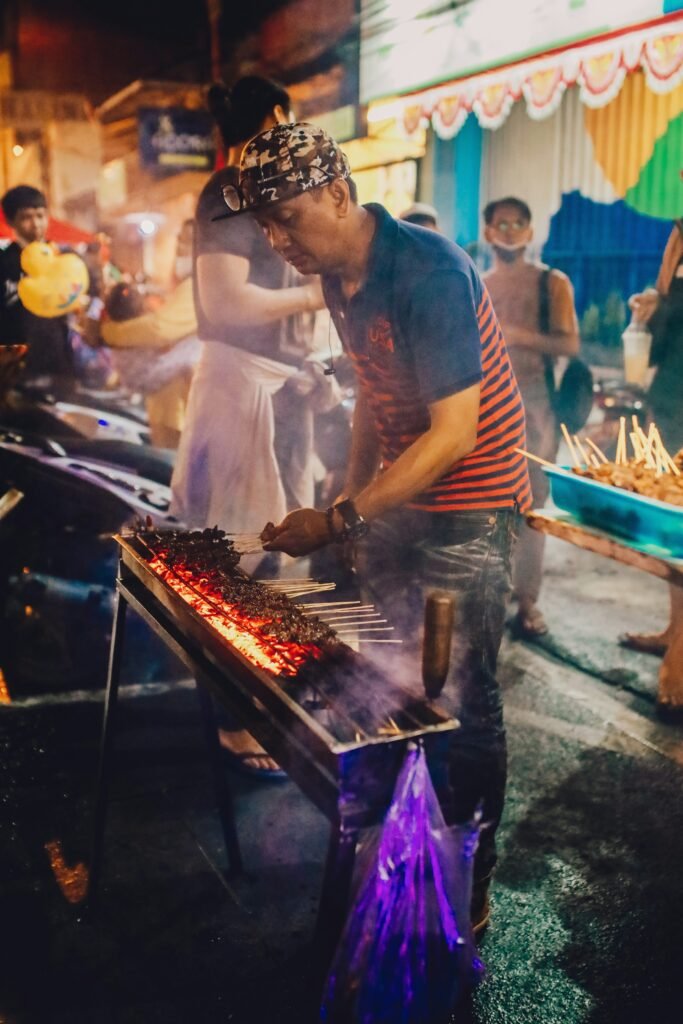
indonesian street food seller

Food

Central Javanese cuisine offers a variety of dishes, from less exotic to somewhat more adventurous. You can try things like spicy fried crickets (mostly on the outskirts of larger cities), freshwater snails (cooked or skewers), cow brain, lungs, or tongue, the best served in otak sauce, chicken offal and intestines, crispy skin, goat testicle skewers, and fried swamp eel.

  • Nasi Goreng – stir-fried rice with kecap manis (sweet soy sauce), garlic, shallots, chili, and often shrimp paste for earthy flavor. Usually includes vegetables, chicken, shrimp, or egg. Served topped with a fried egg and kerupuk (crackers), sometimes with acar (pickles) and sambal.
  • Sate Ayam / Sate Kambing (Chicken or Goat Satay) – Skewered grilled meat marinated in spices and kecap manis. Grilled over charcoal for smoky taste. Sate ayam served with peanut sauce and shallots; sate kambing often with sweet soy sauce (kecap). Accompanied by lontong (rice wrapped and cooked in banana leaves ) or rice, plus sambal.
  • Nasi Gudeg – Young jackfruit slow cooked in coconut milk, palm sugar, and spices until sweet and tender. A signature Central Java (Yogyakarta) dish. Served with steamed rice, chicken, telur pindang (spiced boiled egg), tahu/tempe bacem (sweet braised tofu/tempeh), krecek (spicy beef skin), and sambal.
  • Gado-Gado – Vegetable salad with boiled or steamed veggies (long beans, spinach, cabbage, bean sprouts, potato), tofu, tempeh, and hard boiled egg. Dressed with thick peanut sauce (often spicy-sweet from kecap manis). Served with lontong or crckers, and extra sambal on the side.
  • Soto (often Soto Ayam or Soto Kudus in Central Java) – Clear or coconut based soup with shredded chicken, spices and herbs. Central Java versions like Soto Kudus use clear broth with native chicken. Served with rice or lontong, noodles, bean sprouts, celery, fried shallots, lime, and sambal.
  • Tempe Mendoan – Thinly sliced tempeh (fermented soybean cake) dipped in spiced batter (flour, shallots, garlic) and shallow fried until crispy outside but soft inside. A Banyumas (Central Java’s regency) specialty. Served hot as a snack, dipped in raw chili (cabai rawit) or with kecap manis.
  • Lumpia Semarang – Spring rolls from Semarang (Central Java) filled with bamboo shoots, shrimp, chicken, egg, and vegetables. Available fried (crispy) or fresh (basah). Served with peanut sauce, vinegar-based sauce, or sambal.
  • Nasi Kucing – Small portion of plain rice (“cat rice” – tiny like cat food) as cheap street food. Served with ikan asin (salted dried fish), sambal, tempeh, tofu. Eaten by hand at angkringan carts.
  • Nasi Kuning – Turmeric flavored steamed rice cooked in coconut milk with pandan, lemongrass, and spices for yellow color and aroma. Often for celebrations but common daily. Served with assorted sides like chicken, egg balado, rendang beef, tempeh, sambal.
  • Sate Taichan – Grilled chicken satay (skewers) without peanut sauce. Marinated simply, grilled, and served with MSG, spicy with chili sambal, half of lime or rawit peppers. Often with rice or lontong; popular street version in urban areas.
  • Rawon – Dark beef soup from East Java but popular across Java (including Central). Broth colored black from kluwek (black nut), with spices, beef chunks, and sometimes offal. Served with steamed rice, short bean sprouts, salted egg, green onions, lime, and sambal. 
  • Tongseng Goat (or beef) – Stew with cabbage, tomatoes, coconut milk, kecap manis, and spices for sweet-spicy-smoky flavor. Associated with Solo. Served with rice and sambal, eat with spoon.

  • Selat Solo – Braised beef in sweet-sour kecap-vinegar sauce with spices, served with steamed vegetables (carrots, beans), potatoes, hard boiled egg, and lettuce. European influenced Solo dish.

  • Gurami goreng – Whole freshwater gourami fish, butterflied flat, lightly seasoned, and deep-fried until ultra crispy (including the skin, fins, and small bones), served with rice, fresh vegetables, and spicy sambal.

  • Seafood Saus Padang – Mix of fresh seafood, usually crab, prawns, squid, and sometimes clams or lobster, slowly simmered in a thick, really spicy and a little bit sweet-sour sauce.

  • Ayam geprek – Crispy battered fried chicken that’s smashed flat and generously topped with hot, spicy sambal (chili paste), often very fiery from fresh chilies and garlic. Served with rice.

  • Pecel – Salad of lightly blanched or boiled vegetables topped with a spicy-sweet peanut sauce made from roasted peanuts, chili, garlic, tamarind, palm sugar, and spices.

  • Bubur ayam – Creamy rice porridge cooked in broth, topped with shredded chicken and savory condiments like fried shallots, scallions, fried soy beans, peanuts, crackers, sweet soy sauce, and  sambal.

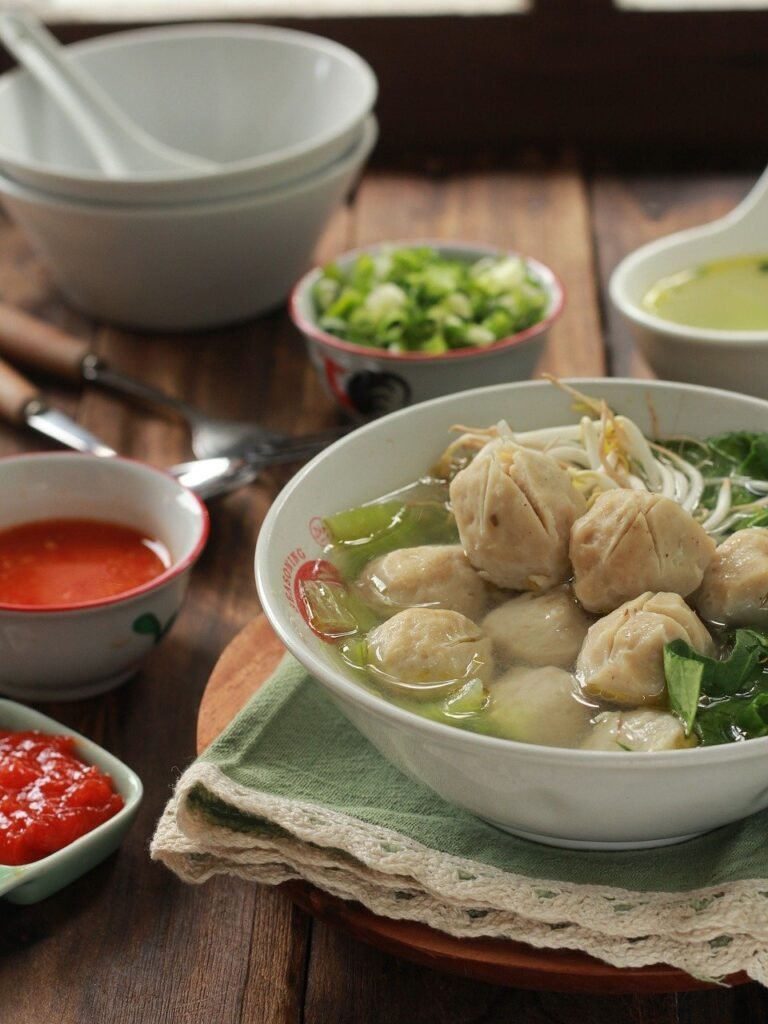
meatballs, bakso, food, meal, dish, delicious, meatball, culinary, ai generated
Bakso – meatball soup, usually made from beef or chicken, served in a savory broth with noodles, rice, tofu, and vegetables.
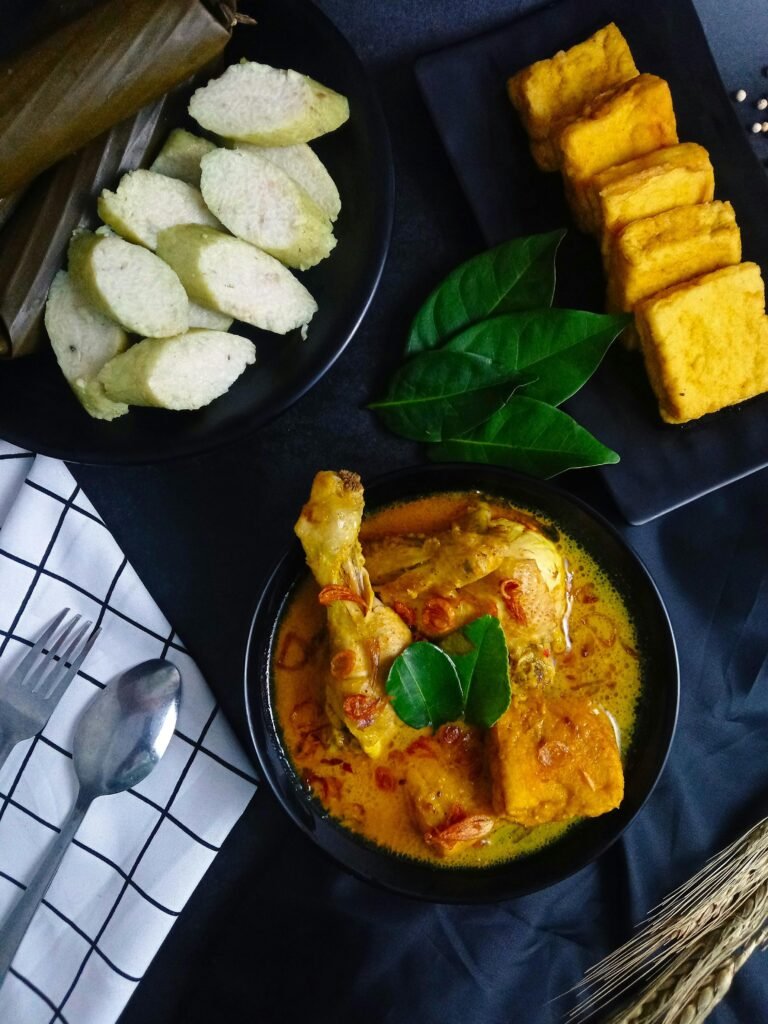
Delicious Indonesian opor ayam served with rice cakes and tofu, presented on a dark background.
Opor ayam - chicken cooked in coconut milk with mild spices, tofu, lontong (rice cake).

Drinks


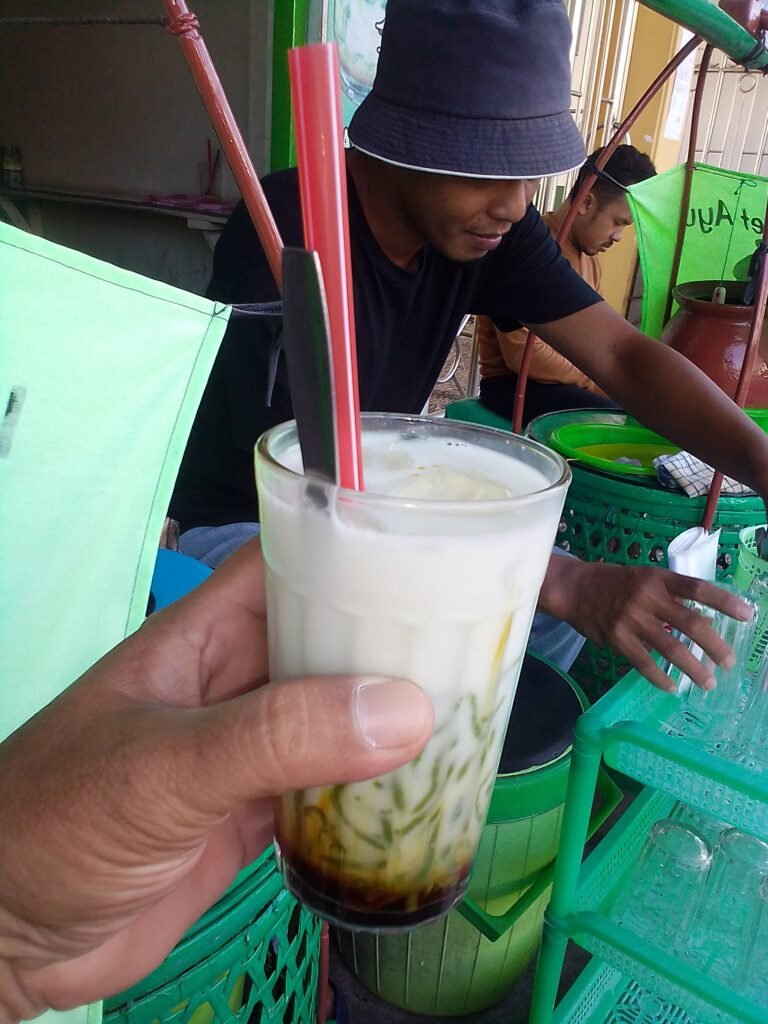
  • Es Cincau – Refreshing iced drink with black grass jelly cubes, sweetened with syrup and coconut milk. Cool, slightly herbal, and lightly sweet.
  • Jamu – Traditional Indonesian herbal tonic, a medicinal drink made from roots and spices like turmeric, ginger, tamarind, and lemongrass, sweetened with palm sugar or honey, used for immunity, anti-inflammation, and holistic health.

  • Es badeg – Traditional Banyumas drink chilled sap from coconut flower buds, naturally sweet and refreshing like young coconut water, often served iced for a cooling, lightly fizzy treat.

  • Es tebu – Sugarcane juice freshly pressed from sugarcane stalks, naturally sweet and refreshing, served iced as a cooling street drink.

  • Bandrek – Hot ginger drink with palm sugar and spices (cinnamon, cloves). Warming, aromatic, and sweet.
  • Bajigur – Sweet coconut milk drink with palm sugar, ginger, and sometimes pandan leaves. Creamy, sweet, and comforting.
  • Wedang Ronde – Hot ginger drink with glutinous rice balls (sometimes with peanuts or pandan). Sweet, warming, and aromatic.

  • Kopi Joss – Hot black coffee served with a piece of burning charcoal dropped in. Smoky, strong, and slightly sweet; a unique Javanese specialty.

  • Bintang Beer – Popular Indonesian lager, light and crisp with a mildly bitter finish. Refreshing and easy to drink, widely available across Central Java.

es dawet drink
Es Dawet – sweet, cold Javanese drink made with green rice flour jelly (cendol), coconut milk, and palm sugar syrup. Refreshing and creamy.
wedang jahe drink
Wedang Jahe – warm, aromatic ginger tea with palm sugar and optional spices like cloves or pandan leaves. Comforting and slightly spicy.

Sweets & fruits

  • Lupis – Sticky rice wrapped and cooked in banana leaves, topped with grated coconut and drizzled with palm sugar syrup.
  • Galundeng – Fried sweet bread, fluffy dough pieces deep-fried to crispy perfection, sprinkled with sesame seeds or sugar, popular as a street snack (also called odading or bolang-baling).
  • Es tung tung – Traditional Indonesian hand-churned ice cream, creamy coconut milk base rotated in ice until frozen, served with toppings like condensed milk, fruits, chocolate, or fermented rice for a rich, nostalgic street treat (also called es puter or es tong tong).

  • Kolak – Traditional Indonesian sweet dessert made with banana or sweet potato simmered in coconut milk and palm sugar. Creamy, rich, and lightly caramel flavored.

  • Es buah – Refreshing fruit dessert made with mixed tropical fruits, shaved ice, syrup, and condensed milk. Sweet, cold, and perfect for hot days.
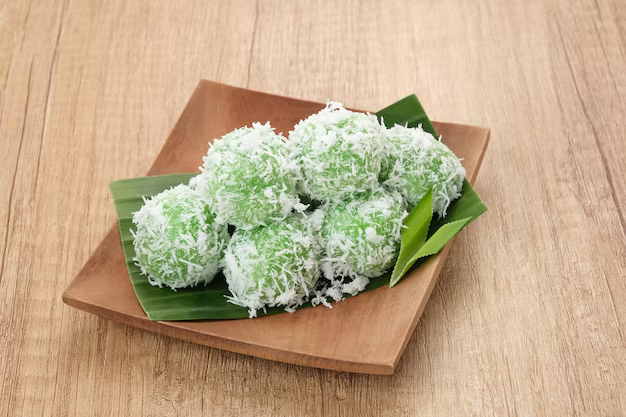
klepon snack
Klepon – Small green rice cakes filled with liquid palm sugar and coated in shredded coconut.
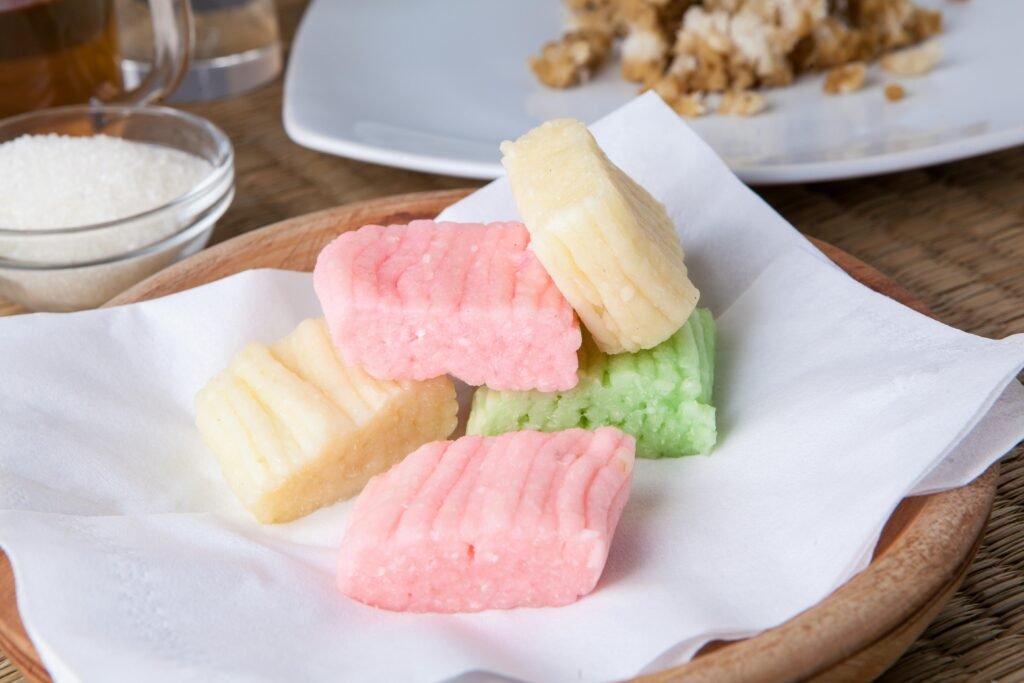
A close-up of colorful Getuk Lindri, a traditional Indonesian cassava snack served on a wooden plate.
Getuk – A sweet snack made from mashed cassava (tapioca) mixed with sugar, often topped with grated coconut.
  • Durian – Soft, creamy fruit with a rich sweetness and a strong aroma. Smooth and custard like with a deep, complex flavor.

  • Mangostan – Tender, juicy fruit with a gentle sweetness and slight tang. Soft segments that melt in your mouth and feel very refreshing.

  • Rambutan – Juicy fruit with a clean, sweet flavor and a firm, grape like texture. Light, refreshing, and easy to eat.

  • Langsat – Soft, translucent fruit with a sweet and slightly sour taste. Juicy and delicate with a pleasant citrus like note.

  • Sirsak – Creamy, fibrous fruit with a sweet-sour flavor. Aromatic and refreshing with a tropical tang.

  • Carambola – Crispy, juicy fruit with a mild sweet tart taste. Light and refreshing with a clean, citrusy finish.

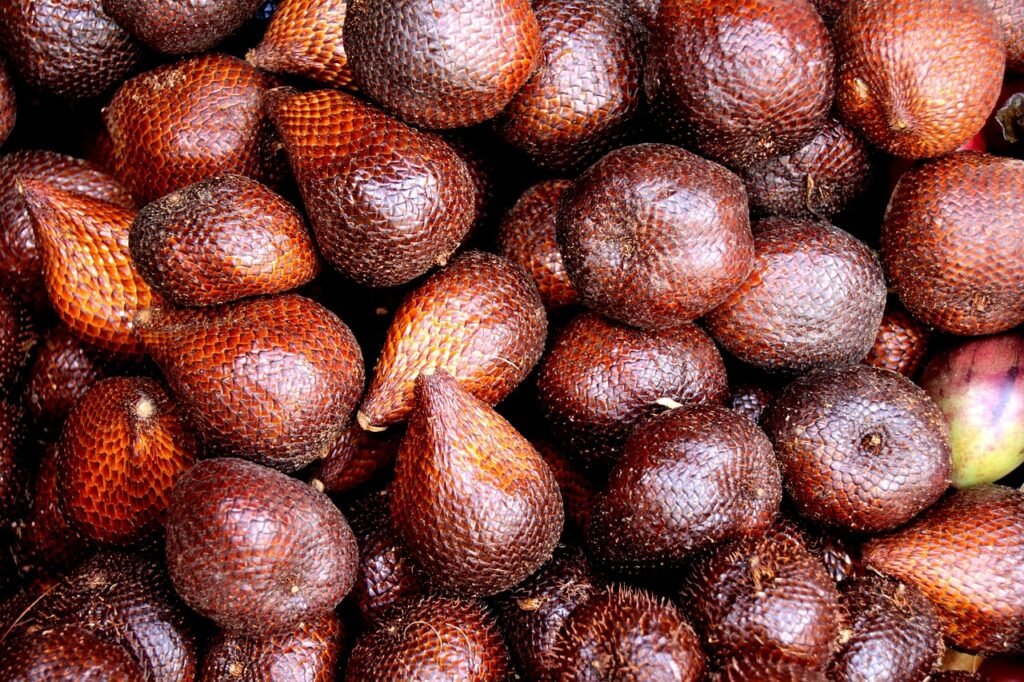
salak, snake fruit, snakeskin fruit, salacca zalacca, brown fruit, exotic fruits, salak, salak, salak, salak, salak, snake fruit, snake fruit
Salak – A crisp fruit with a sweet-tart flavor and a firm bite, juicy and slightly tangy. Refreshing with a unique, earthy sweetness.
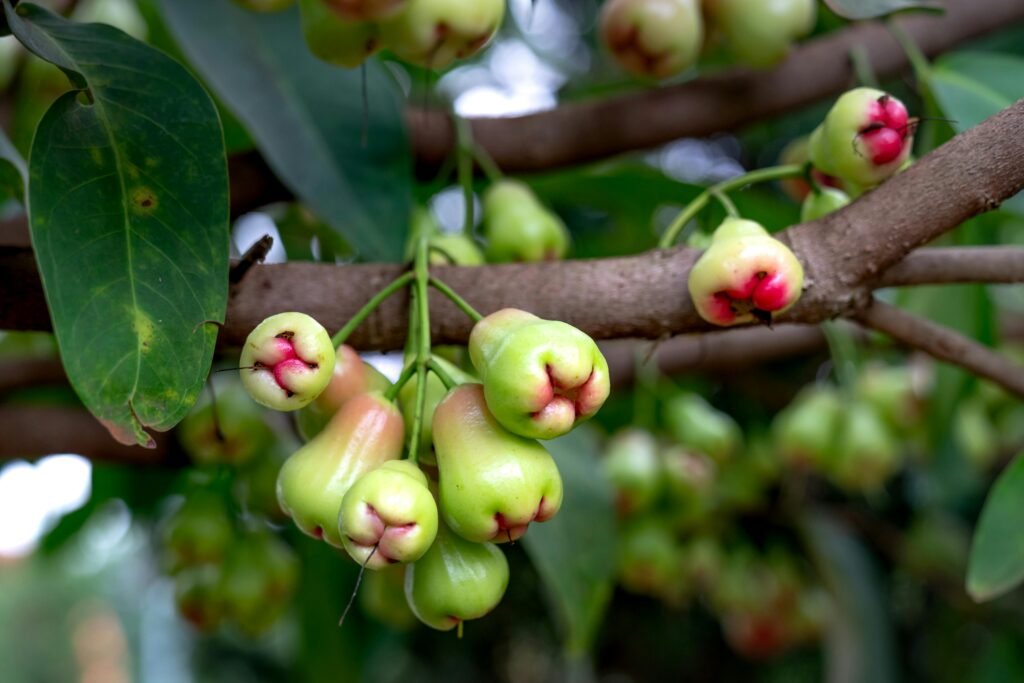
A cluster of ripe wax jambu fruits hanging from a branch, showcasing their vibrant pink and green hues.
Jambu – A crisp, slightly sour fruit that is juicy with a delicate sweetness. Refreshing and hydrating.