Discover Java – places that shape the island
Central Java, the central part of the island, combines diverse landscapes with rich culture. The region is dominated by volcanoes, and between them stretch rural areas with rice fields and forests, dotted with caves and waterfalls. Cities provide convenient bases to explore ancient temples, scenic viewpoints, and historical sites. Along the coast, there are wild cliffs, rugged shorelines, and paradise islands. Adventure activities include trekking and high-altitude climbing on the volcanoes, white-water rafting, ATV rides through plantations, off-road driving, snorkeling around the islands, kayaking, mountain biking, and ziplining. All of this is presented below.
Volcanoes - Merapi, Merbabu, Prau, Slamet, Sumbing
A complete guide to each volcano – how to get there, how much to pay, and how to make the most of it.
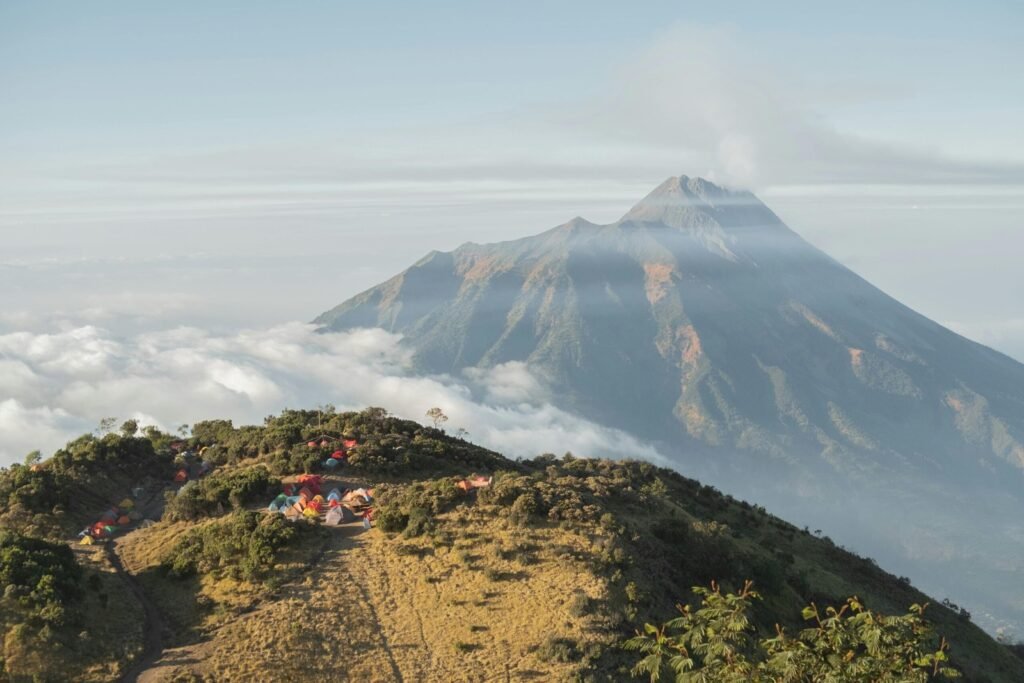
Mount Merapi is one of Indonesia’s most active volcanoes, with summit access often restricted due to ongoing activity and safety concerns. Height: 2,930 m. Hiking to the summit usually starts from Selo (northern slope); the climb is demanding and takes around 4–6 hours depending on fitness. The trail is steep, rocky, with loose scree near the top. Trekkers often start at midnight or 1 AM for sunrise views. Jeep tours from Yogyakarta reach only lower slopes. Guides can be arranged via Yogyakarta hotels or Selo agencies; cost is usually 300–600k IDR per group. A climbing permit is required if hiking without a guide (around 180–250k IDR for foreigners). Check current status with PVMBG, Indonesia’s volcano monitoring agency.
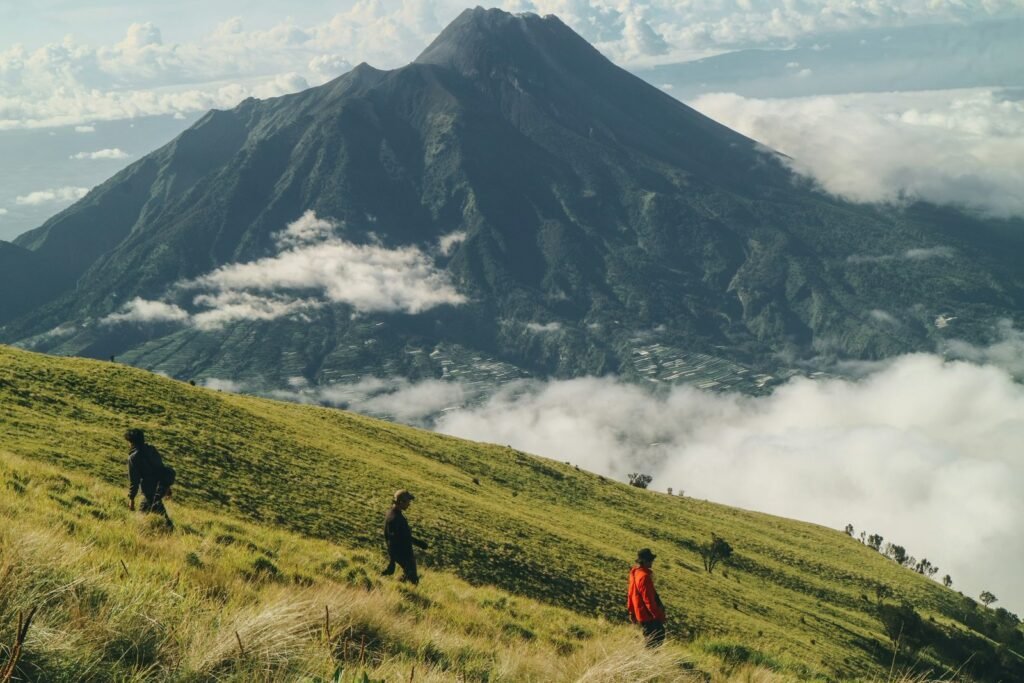
Mount Merbabu is a dormant volcano with a height of 3,142 m. Treks usually start from bases such as Selo, Thekelan, Wekas, or Cuntel; the bases are best reached by scooter. The climb is challenging and takes around 6–8 hours to the summit depending on route and fitness, with steep and rocky sections near the top. Most hikers do a 2-day/1-night trek for sunrise views. Entry to Taman Nasional Gunung Merbabu requires online permit and park fee, generally 150,000–225,000 IDR per day for foreign visitors (higher on weekends). Guides can be arranged through hotels in Yogyakarta or at trailheads; typical guide/porter fees start from 950,000–1,200,000 IDR per trek. Permit information is provided by the national park website.
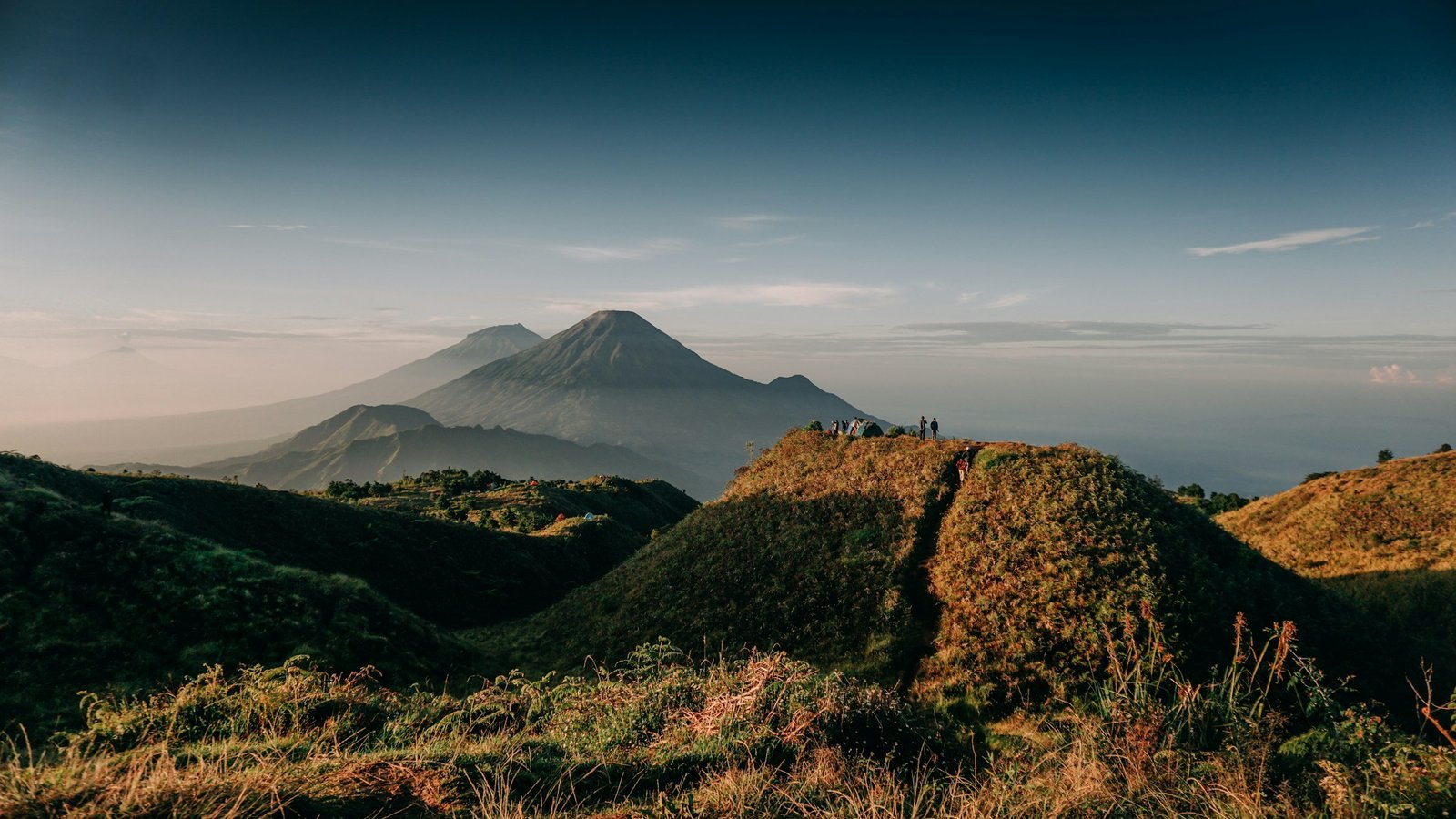
Mount Prau (2,565 m) is a popular hiking destination in the Dieng Plateau, best known for its spectacular sunrise views. The trek usually starts from Patak Banteng or Dieng Wetan, both easily reached by scooter or car. The climb is moderate and takes 2.5–4 hours to the summit depending on the route and fitness level, with some steeper sections. Most hikers begin around midnight or early morning to catch the sunrise. No guide is mandatory on the main trails, though optional local guides cost roughly 200–500k IDR per group. Entry requires registration and a fee around 30-50k IDR per person.
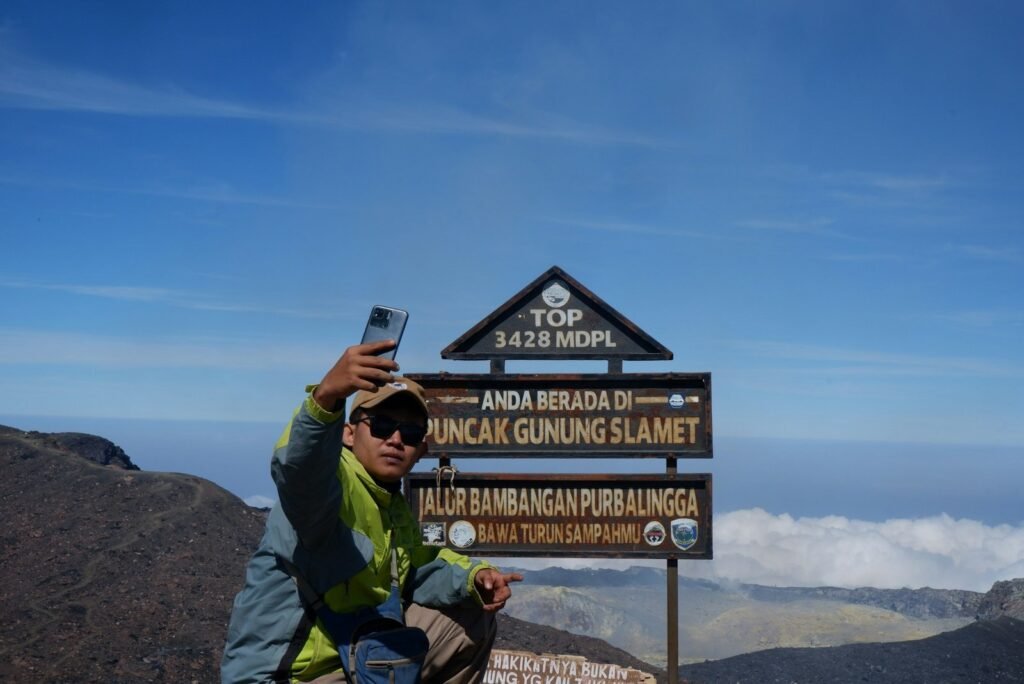
Mount Slamet (3,428 m) is Central Java’s highest volcano and the second highest on Java, famous for its vast forests, open savannas and panoramic 360° summit views. The main route is via Bambangan (eastern side), usually a 2–3 day trek with camping. The climb is demanding and takes 8–12 hours to the summit depending on fitness and conditions, with long steep ascents and jungle lower down. Entry requires registration and a small fee (Rp 15,000–50,000 per person). Guides and porters are strongly recommended; costs typically Rp 750,000–1,200,000 per group or person. Check current conditions at Bambangan basecamp or local agencies. The best option is to get there from Purwokerto by scooter/with guide.
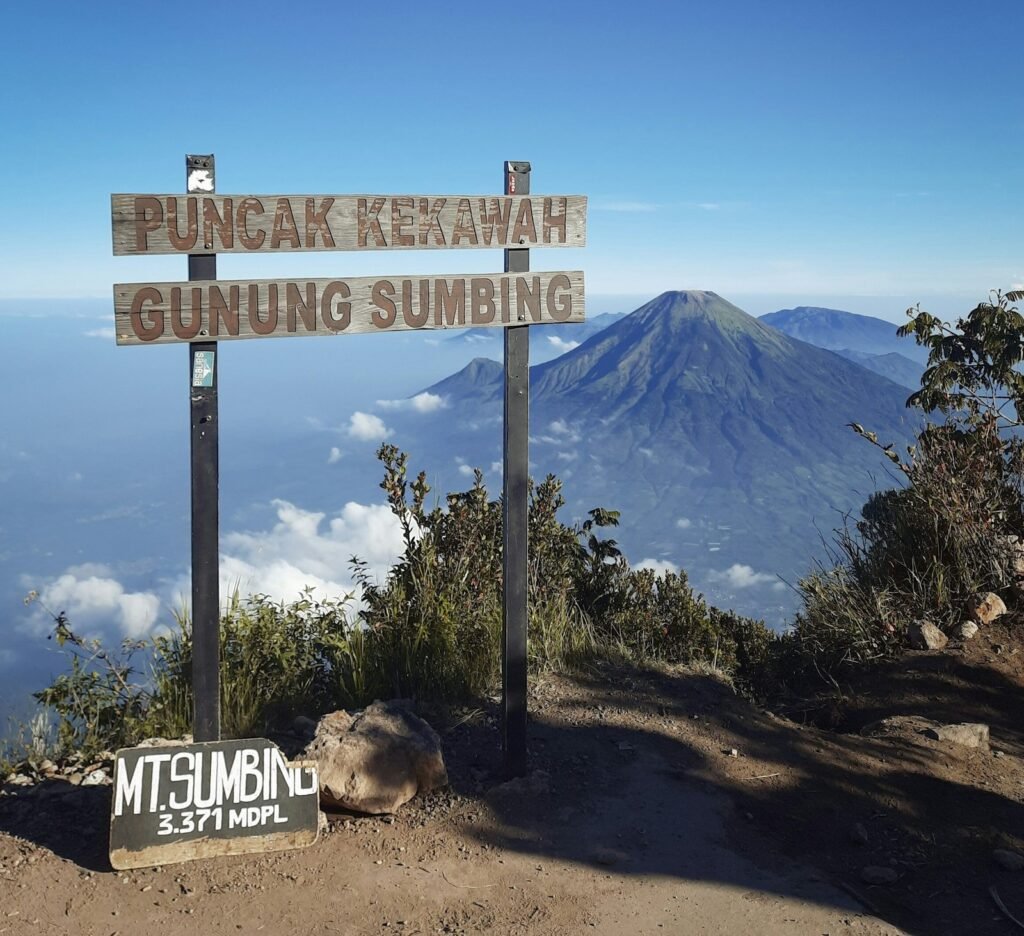
Mount Sumbing (3,371 m) is Central Java’s second-highest volcano, known for its impressive crater rim and stunning sunrise views from Puncak Rajawali. The most popular route is via Garung (northern side), usually done as a 2-day/1-night trek or a tough one-day hike. The climb is moderate to challenging and takes around 6–9 hours to the summit (often 7–8 hours via Garung depending on fitness), featuring steep, dusty trails, jungle sections, and scrambling near the top. Most trekkers start early or camp overnight for sunrise. Entry requires registration at the basecamp and a small fee of around Rp 35,000 per person. Guides are optional but recommended for navigation and safety; typical costs are Rp 850,000–1,200,000 per group (often including porter), with porter fees separately around Rp 650,000 (drop) to Rp 1,250,000 (summit/full stay). Check registration and current trail conditions directly at the Garung basecamp or local tourism offices.
If you’re not feeling confident and still unsure about the details, book your trip through GetYourGuide and enjoy a fully guided experience from start to finish!
Cities - Yogyakarta, Semarang, Solo, Purwokerto
Key information about cities- how to get there, what to see, and what to expect on arrival.
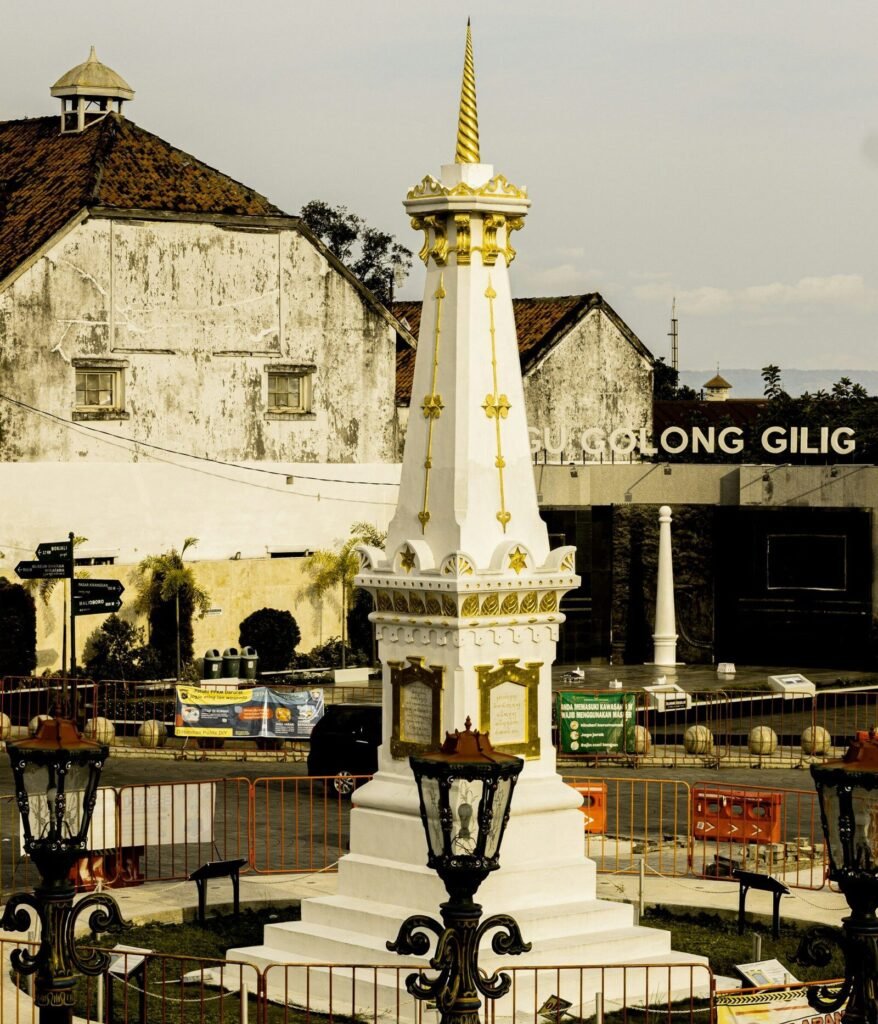
Yogyakarta is a city and special region in Central Java serving as a key cultural and historical center of Indonesia. It is known for preserved Javanese traditions such as batik, traditional dance performances and gamelan music. In the city itself notable attractions include the Sultan’s Palace Kraton, Taman Sari Water Castle and lively local markets offering handicrafts, souvenirs and traditional foods.
Yogyakarta is also a convenient base for exploring nearby natural and historical attractions. The surrounding area features volcanoes including the active Merapi, caves, rock formations and scenic rice fields and hills. UNESCO-listed temples such as Borobudur and Prambanan are within reach providing insight into Java’s architectural and cultural heritage.
The city can be easily reached from Yogyakarta airports Adisucipto or the new Yogyakarta International Airport by train or bus offering a convenient way to get to the city center. Transportation in Yogyakarta is varied. Traditional horse-drawn carriages delman and bicycle or motor-powered rickshaws becak are common. Taxis and rental motorcycles are also available making it easier to explore less visited areas and surrounding attractions.
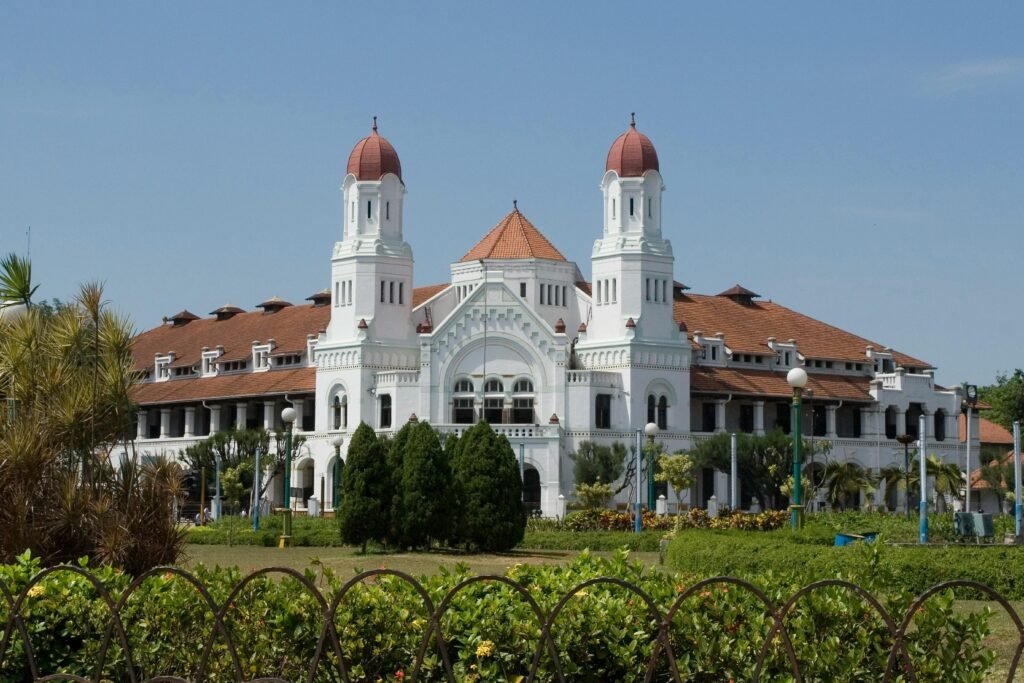
Semarang is a vibrant coastal city known for its blend of colonial heritage, multicultural history, and modern urban life. Visitors are drawn to historic landmarks such as Lawang Sewu and the charming old town area of Kota Lama Semarang, where Dutch-era architecture meets lively cafés and galleries. The city offers a unique atmosphere shaped by centuries of trade and cultural exchange, giving travelers a chance to experience a distinctive mix of history, street life, and local flavors. From Semarang, travelers can reach the beautiful Karimunjawa islands, usually by first heading to Jepara and taking a ferry from there. During certain seasons, limited direct boat connections from Semarang may also be available, making it a convenient gateway to this tropical island escape.
Surakarta commonly known as Solo is one of the cultural hearts of Java and is often considered the “sister city” of Yogyakarta due to their shared royal heritage. The city is famous for traditional arts, batik culture, and historic sites such as Keraton Surakarta. Nearby attractions include Kemuning Sky Hills and the unique Candi Sukuh temple, both great destinations for a short trip outside the city. While modern and lively, Solo preserves a strong sense of tradition and local identity, making it a rewarding destination for travelers interested in authentic Javanese culture. The cheapest way to travel between Yogya and Solo is by local commuter rail, which runs frequently and offers a budget-friendly connection.
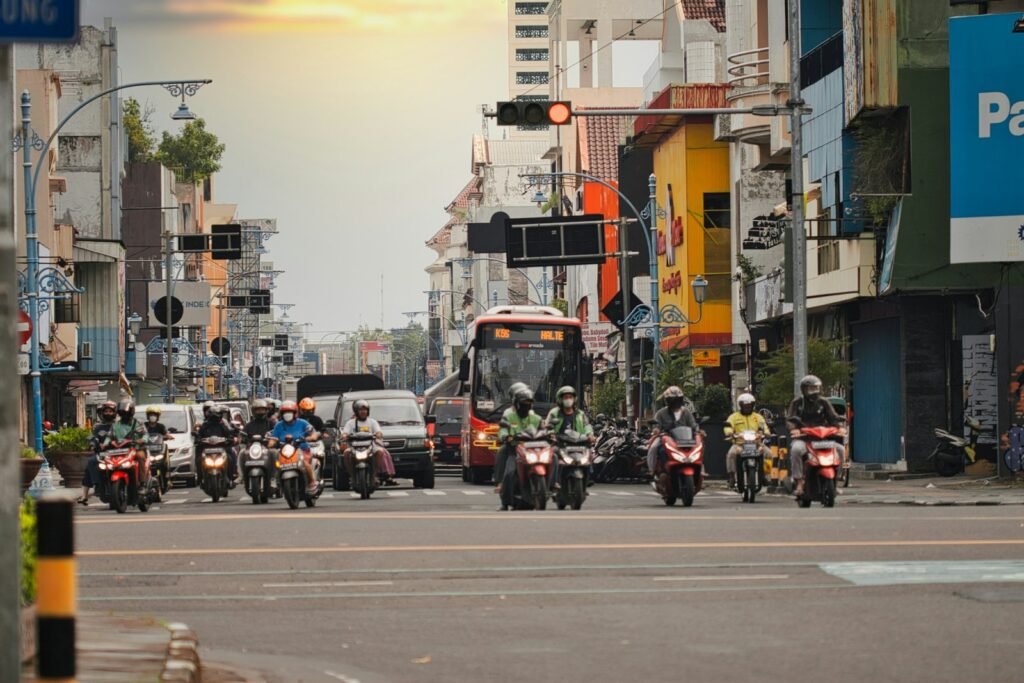
Purwokerto is worth visiting mainly as a great base for exploring nearby natural attractions such as Mount Slamet, beautiful waterfalls, and Goa Lawa Purbalingga. The city is well connected by trains and buses, making it easy to travel to other cities in Java. It is also located close to Baturraden — a lush, peaceful mountain area perfect for relaxation, surrounded by greenery, fresh air, natural hot springs, and many hidden gems waiting to be discovered. While the city itself is not very touristy, this is exactly what makes it special — it offers a chance to experience authentic Javanese daily life away from crowds. Purwokerto is the administrative capital of Banyumas Regency.
Waterfalls - Baturraden/purwokerto area and beyond
Discover the popular waterfalls and hidden gems.
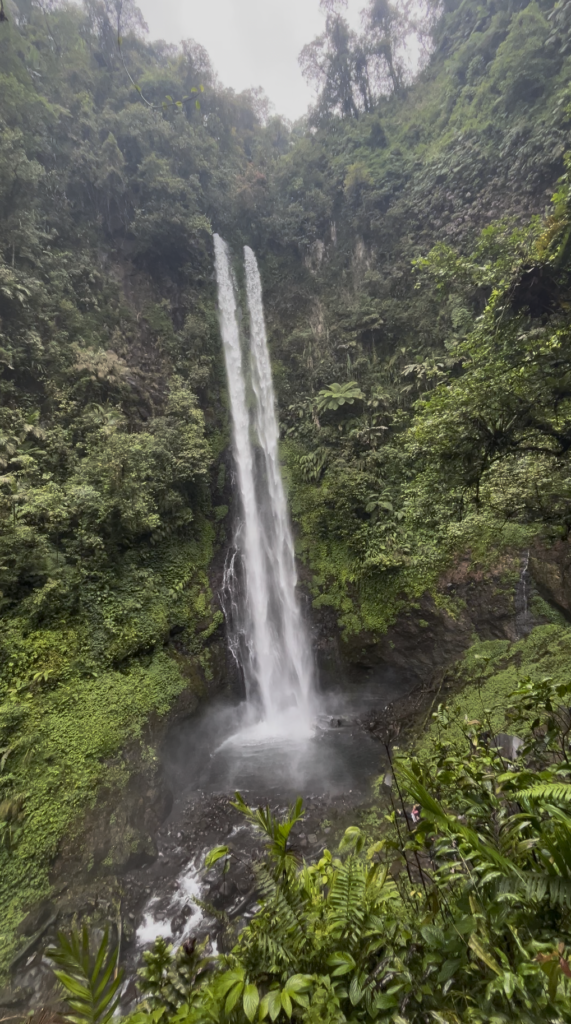
In the Baturraden area, on the slopes of Mount Slamet, about 30 minutes from Purwokerto, you’ll find a lot of waterfalls, from popular spots to hidden gems that require a proper trek.
Curug Cipendok is the most impressive and one of the most popular. Around 30 minutes by scooter or car from Purwokerto, followed by a 500-meter forest walk from the parking area. Swimming is possible when conditions are safe.
Curug Panganten Kedungbanteng is a true hidden gem. After driving towards Kedungbanteng, expect a forest and riverside trek. The trail can be slippery, but it’s far less crowded, with natural pools suitable for swimming.
Curug Bayan is very easy to reach, located close to the main road in Baturraden. A short stairway leads down from the parking area. It’s a popular stop with shallow pools for relaxing and swimming.
Curug Telu is one of the best-known waterfalls in the area. With stairs leading from the parking area to a series of cascades and natural pools perfect for a refreshing dip.
Other waterfalls
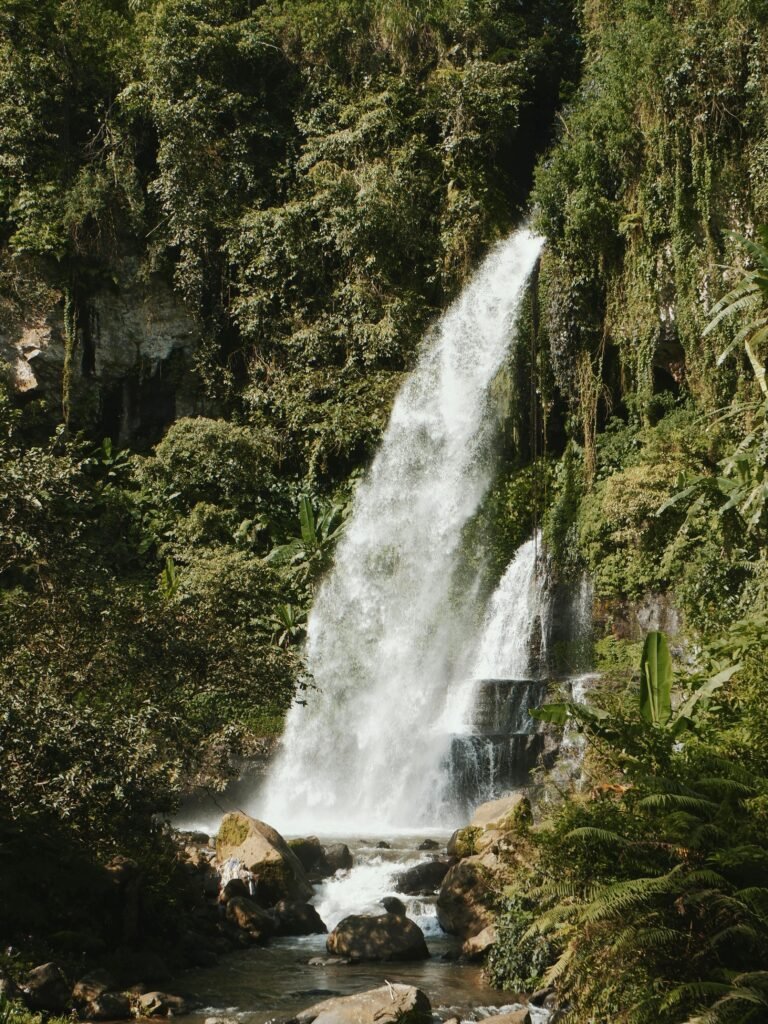
Curug Lawe (near Kendal)
Located on the slopes of Mount Ungaran, about 1.5 hours from Semarang. Accessible by scooter or car, followed by a 30–45 minute forest trek. Semi-wild and less touristy. There is no proper swimming area, so swimming is limited.
Jumog Waterfall (near Karanganyar)
Nestled in a lush valley close to Karanganyar, about 1.5 hour from Solo. Accessible by car or motorbike, followed by a short walk through terraced rice fields and forest paths. Quiet and scenic, with a natural pool at the base suitable for swimming. Less crowded than Grojogan Sewu, ideal for a peaceful visit.
Grojogan Sewu (near Karanganyar / Tawangmangu)
Roughly 1.5 hours from Solo. Accessible by car, with well-maintained paths and stairs leading to the waterfall. A popular tourist destination with a large main pool and several smaller cascades. Entrance 125k IDR. Offers impressive views and multiple swimming spots.
Temples - Borobudur, Prambanan, Cetho, Sukuh
Hindu, Buddhist, and Hindu-Javanese – Ancient temples – all informations you need are here.
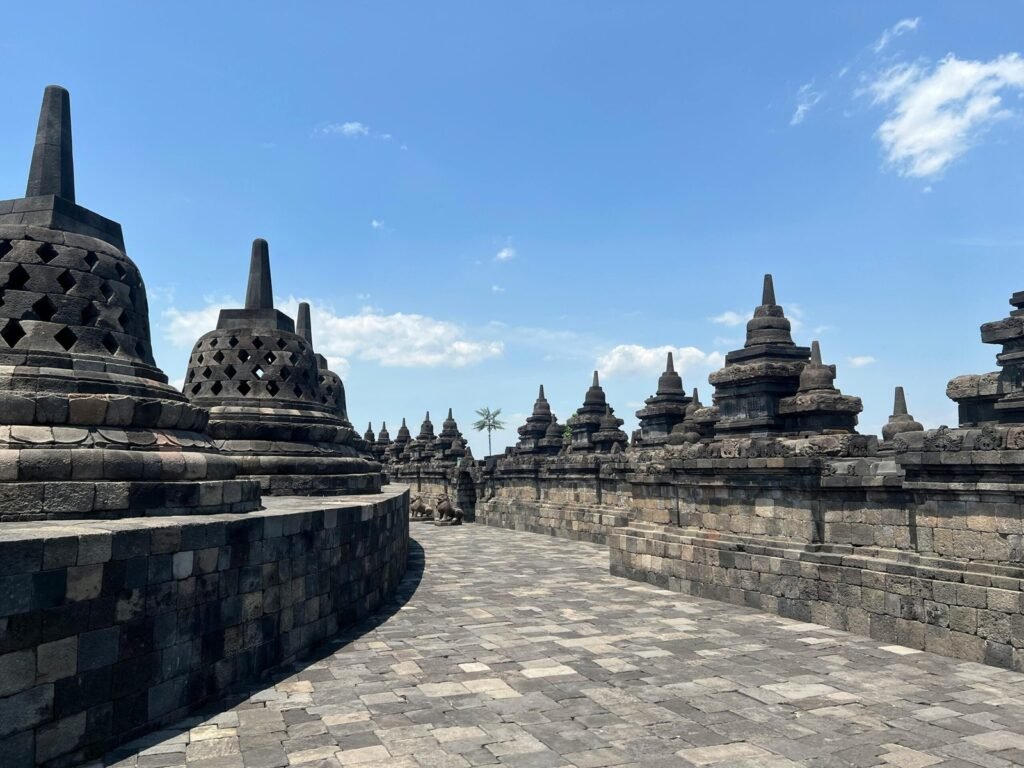
Borobudur is a monumental Buddhist temple over 1,100 years old, famous for its terraces and carved reliefs depicting the life of the Buddha and the spiritual path to enlightenment. Access to special experiences like sunrise or sunset from the upper terraces is limited to 100 visitors per day, so booking well in advance is highly recommended. A regular climb‑up ticket for an adult costs about 455,000 IDR (~€ 23), while special sunrise or sunset tickets with a guide, meal, sandals and flashlight are about 1,000,000 IDR (~€ 50) and also limited daily. Many travelers opt for a guided tour that lets them see Borobudur and the nearby iconic Prambanan temple in a single day, which can be more convenient and often better value than buying separate standard tickets.
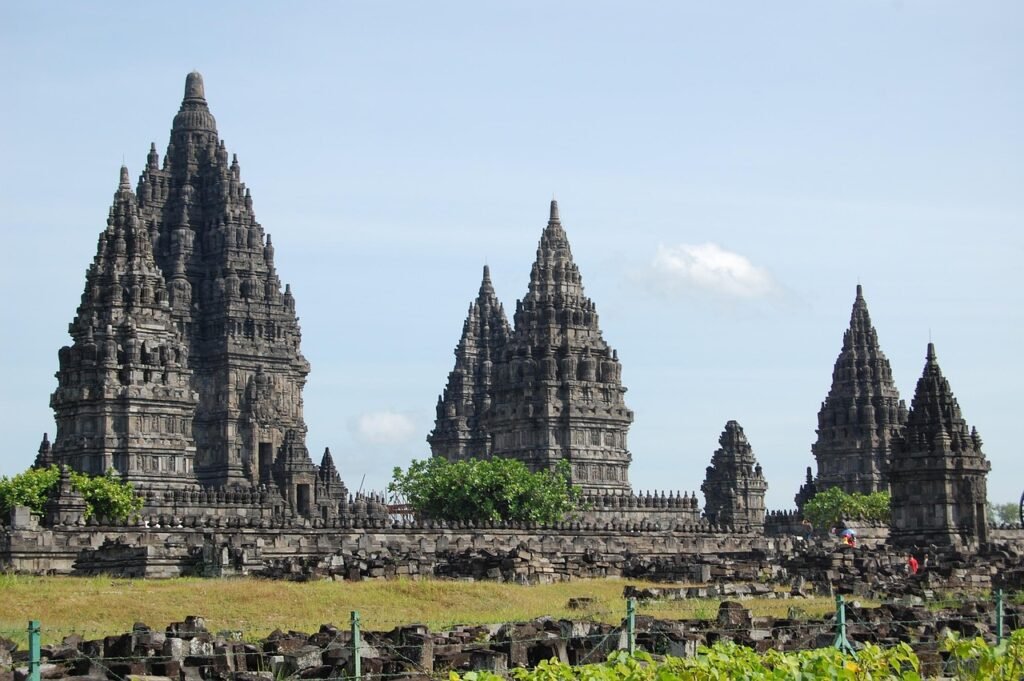
Prambanan is an impressive 9th‑century Hindu temple complex, famous for its tall, pointed towers and intricate carvings depicting gods and scenes from the Ramayana. Entrance to the complex costs around 400,000 IDR (~€ 20) for an adult, kids 250k IDR. For culture enthusiasts, the Ramayana Ballet Prambanan is available, a performance retelling the story of Rama and Sita through dance and theater, with tickets costing starting from 150,000 IDR (~€ 8) depending on seating. When planning your visit, it’s also worth seeing Candi Sewu, located just a few minutes’ walk from Prambanan, the second largest Buddhist temple in the region.
Candi Cetho is a 15th‑century Buddhist temple located high in the Lawu mountains. It is famous for its mystical atmosphere, stone terraces, and numerous sculptures representing spiritual teachings. The terraces descend steeply down the slope, offering beautiful views of the surrounding hills and valleys. Entrance to Candi Cetho costs about 30,000 IDR (~€ 1.5). Around 1.5 h by car from Solo.
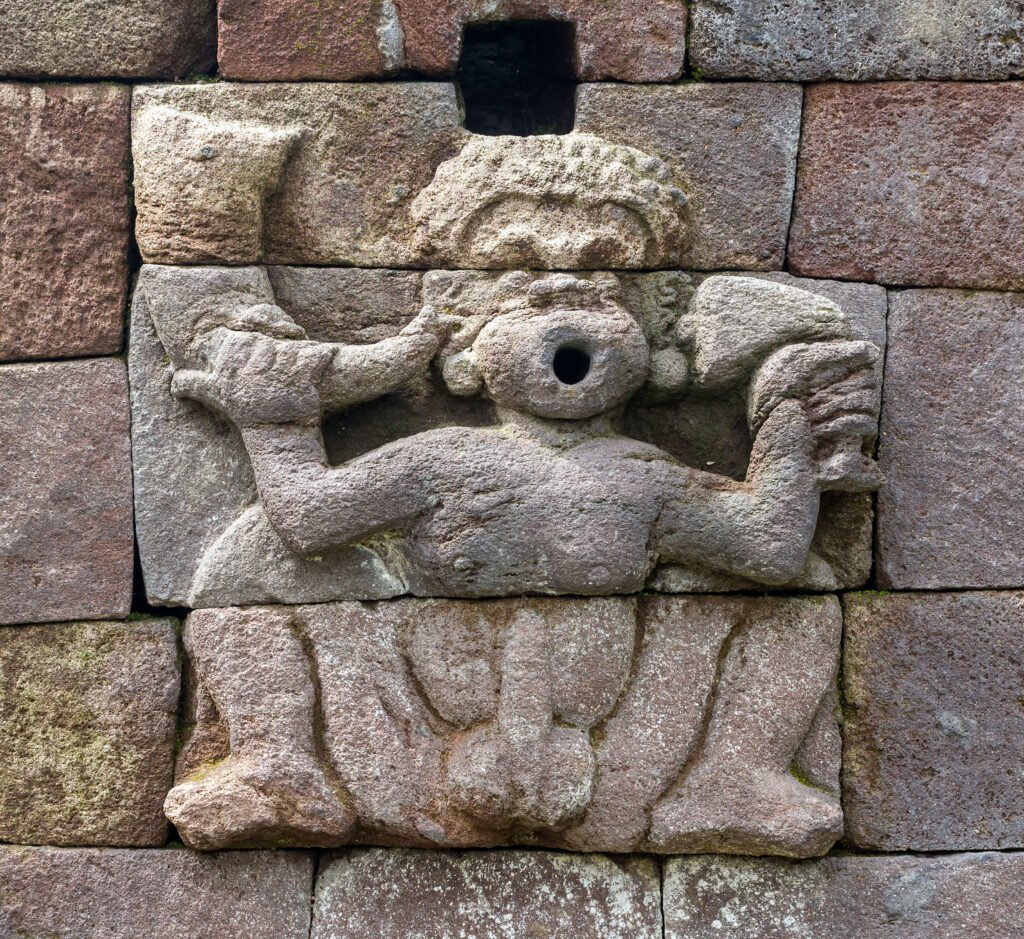
Candi Sukuh is also a 15th‑century temple, with an unusual pyramid-like shape reminiscent of Mesoamerican structures. It is known for its unique carvings and symbolism related to fertility, rituals, and local culture. Sukuh features a simple terrace layout and raw stone construction, giving it a mysterious atmosphere. Entrance to Candi Sukuh also costs around 30,000 IDR (~€ 1.5). Bring warm clothes.
Caves - Jomblang, Jatijaja, pindul, Obyek Wisata, Kalisuci
Explore beautiful caves at your own pace or discover them with a touch of adrenaline.
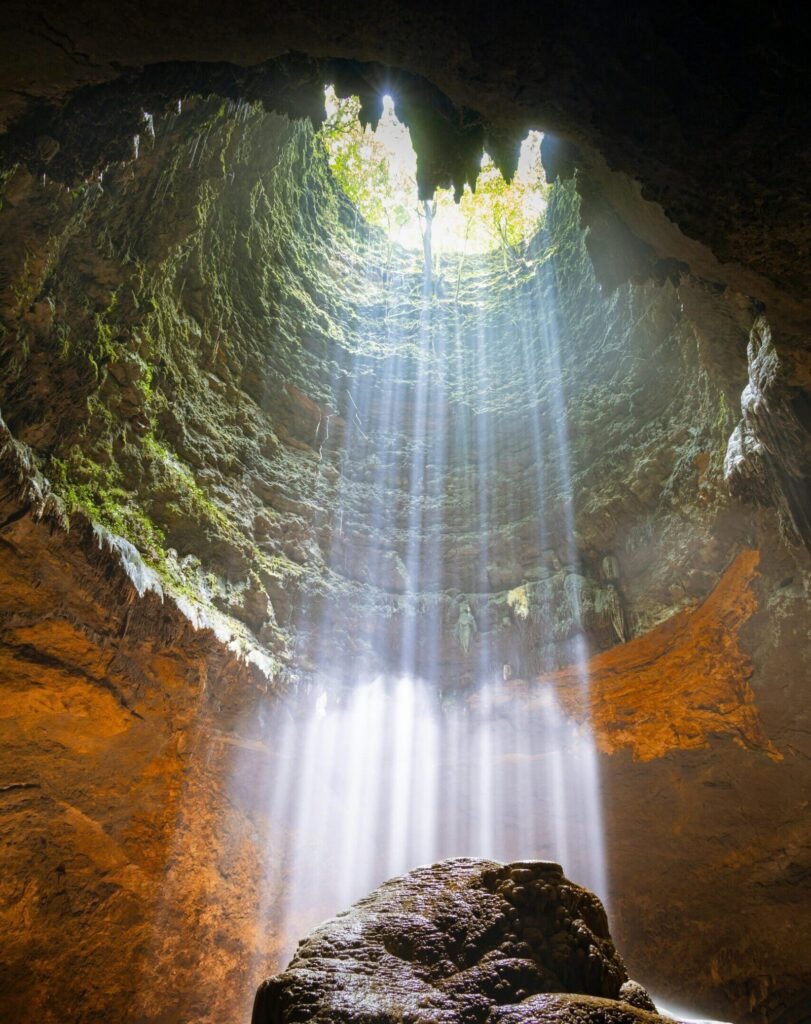
Jomblang Cave is one of Yogyakarta’s most iconic adventure caves, offering an unforgettable experience for nature lovers and thrill-seekers alike. Located about 1.5–2 hours from Yogyakarta city center by car or scooter, reaching the cave typically requires private transport or a tour pick-up, since there’s no direct public bus service to the site. The main highlight is a vertical descent of around 60–80 meters using professional caving gear, guided by trained staff, down into a dramatic sinkhole where sunlight streams through the opening creating the famous “Heaven’s Light” effect. The full experience, which includes safety equipment (harness, helmet, boots), a guide, basic insurance, bottled water, and a simple lunch, costs around IDR 500,000 per person and must be booked in advance due to a strict daily quota of visitors. The activity generally takes about 3–4 hours on site, and the best time to witness the sunlight beams is between 10 AM and 1 PM.
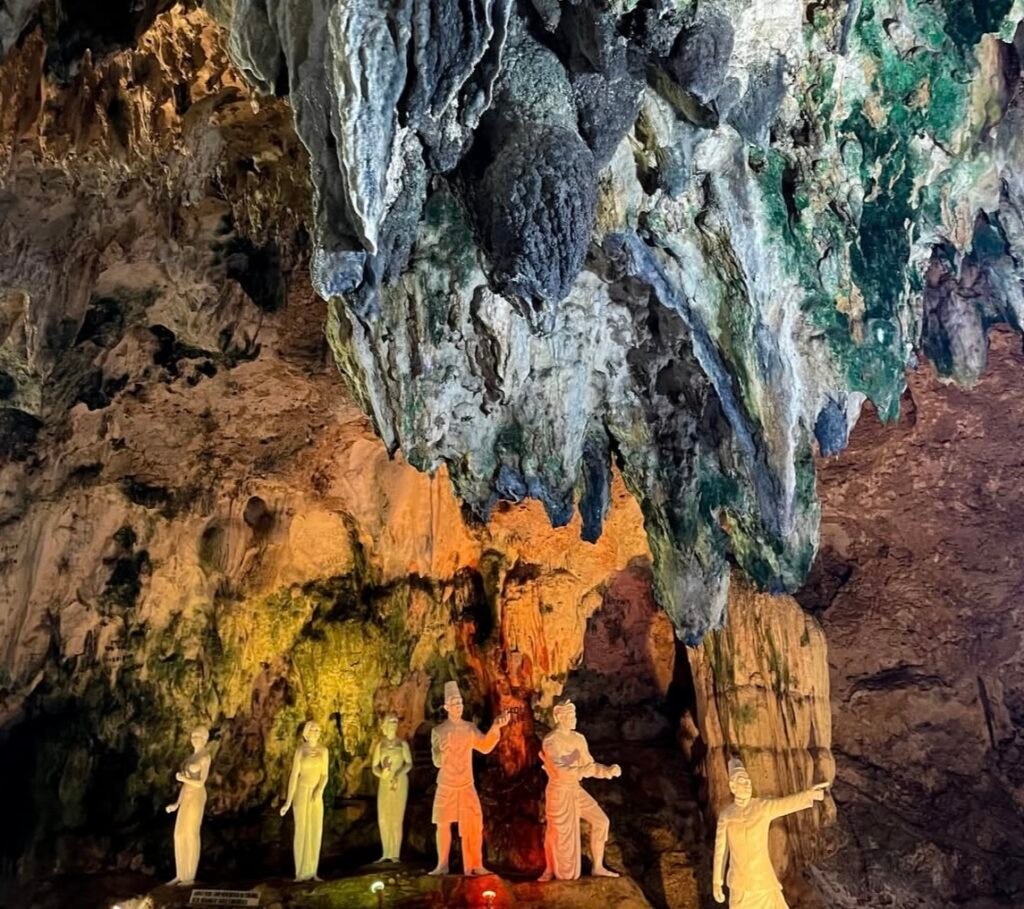
Jatijajar Cave is a large limestone cave located near Kebumen. Is renowned for its impressive stalactites, stalagmites, and rock pillars that create a dramatic natural interior. The cave is easily accessible by car or scooter, typically taking about 1.5–2 hours from Purwokerto or 3–3.5 hours from Yogyakarta. Inside, visitors can walk along well-maintained paths, admire the intricate rock formations, and enjoy the cool, calm atmosphere of the underground chamber. The cave is suitable for casual sightseeing and photography rather than adventure activities like tubing or rappelling, making it accessible to families and those of all ages. Entrance fees are very affordable, usually around IDR 10,000 per person, and guided tours are available for those who want to learn more about the geology and history of the site. The visit typically takes 1–2 hours, and the cave’s tranquil environment also makes it a good spot for quiet reflection or nature observation.
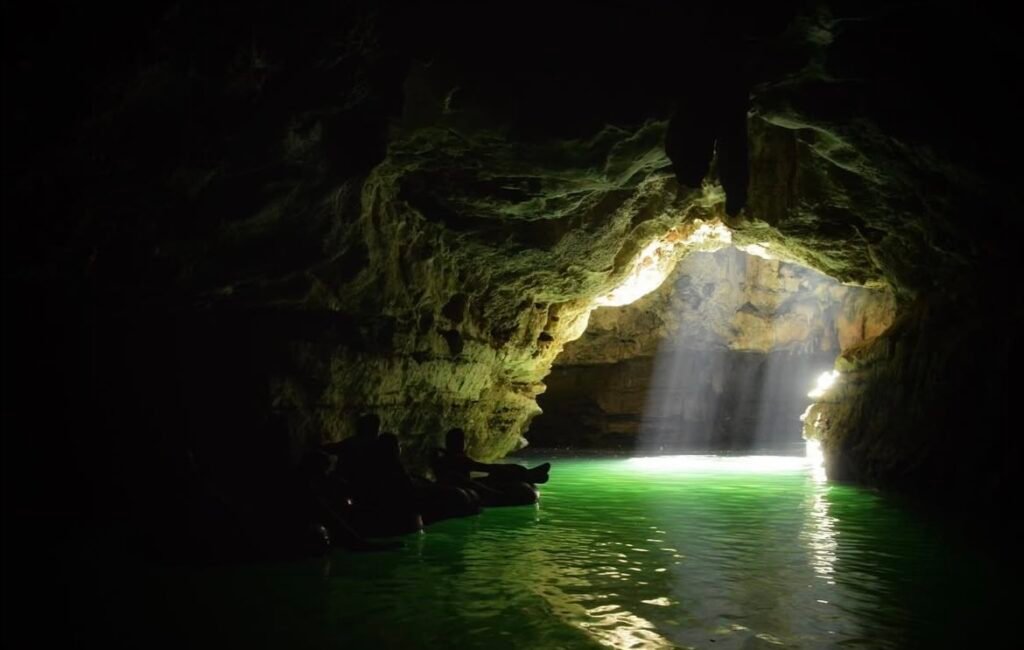
Pindul Cave is one of the most popular caves in Yogyakarta, known for its unique underground river tubing experience. Visitors float along a 300 meter stretch of natural cave river on inner tubes, guided by experienced staff who provide helmets, life jackets, and safety instructions. The cave itself is adorned with stunning rock formations and offers a calm, family-friendly adventure suitable for all ages, including beginners. From Yogyakarta city center, reaching Pindul usually takes about 1.5–2 hours by car or scooter. Most visitors spend around 1.5 hour tubing inside the cave, but you can also relax at the basecamp, enjoy the surrounding greenery. Tubing packages including equipment and a guide typically cost IDR 50,000 per person, making it an affordable yet memorable experience.
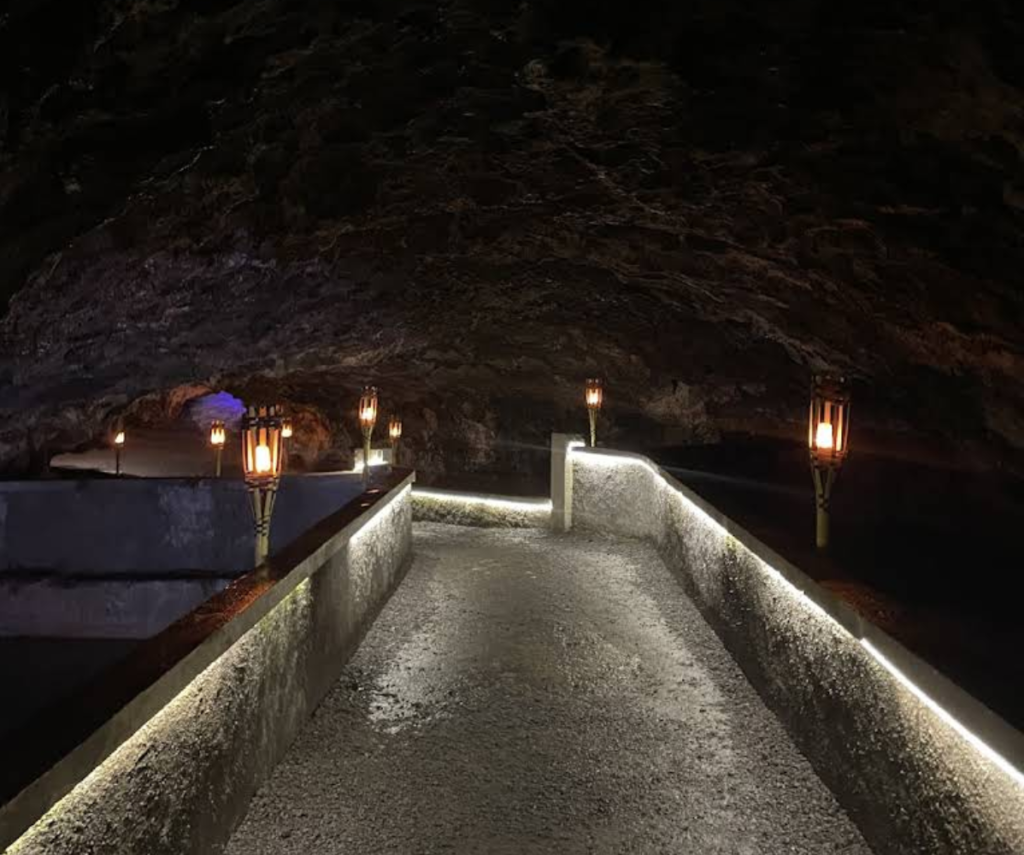
Obyek Wisata Lawa Cave located near Purbalingga is a fascinating lava tube cave formed from ancient volcanic activity. The cave is less touristy than the popular caves near Yogyakarta, providing a peaceful and natural experience for visitors. Getting there from Purbalingga town usually takes about 40–50 minutes by car or scooter, traveling through scenic rural landscapes. Inside, visitors can walk along the cave passages, admire natural rock formations, and observe bats that inhabit the interior, making it a great spot for photography and nature enthusiasts. Unlike caves such as Pindul or Jomblang, Goa Lawa does not offer tubing or rappelling activities, so it’s ideal for casual exploration, short hikes, and relaxed sightseeing. The entrance fee is very affordable, around IDR 20,000. Most visitors spend about 1 hour exploring the cave and its surroundings. The cave’s tranquil atmosphere and natural beauty make it a hidden gem in Central Java for travelers looking for a quiet adventure.
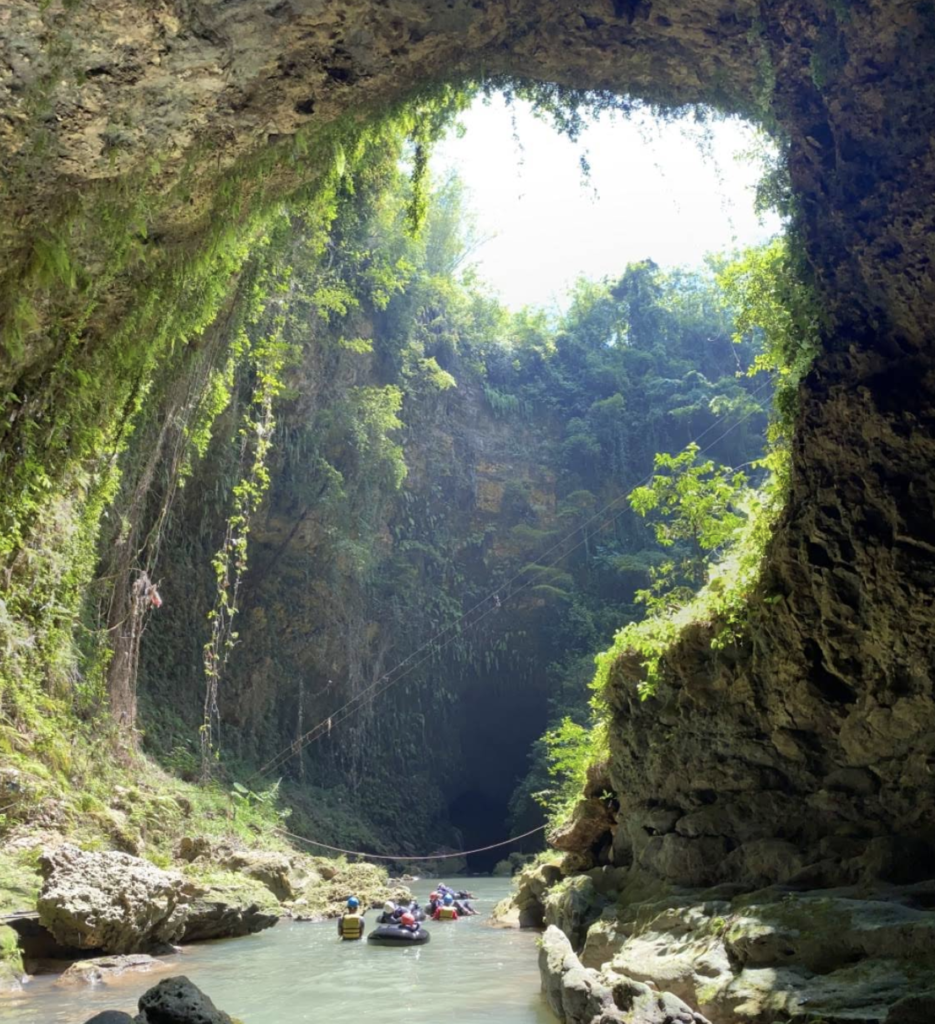
Kalisuci Cave Tubing is an adventurous underground river experience located in Gunung Kidul, about 1.5–2 hours from Yogyakarta by car or scooter. Unlike Pindul, Kalisuci offers a slightly more challenging tubing adventure, with winding river passages through a limestone cave system, surrounded by unique stalactites, stalagmites, and natural rock formations. Visitors float along the cave on inner tubes, wearing helmets and life jackets, guided by experienced staff who ensure safety and provide briefings. The activity typically lasts around 1–2 hours, and after the tubing, visitors can explore the lush surrounding area or take photos of the cave entrance and local river scenery. Tubing packages, including equipment and a guide, cost around IDR 70,000–120,000 per person, depending on the operator and services. The cave is suitable for beginners who want a fun but slightly more thrilling experience than Pindul, and it’s a popular choice for families, groups of friends, and adventure tourists seeking both excitement and natural beauty. Early morning visits are recommended to enjoy calm waters and avoid crowds.
Islands - Karimun Jawa
Visit the 27-island Karimunjawa archipelago, paradise islands still part of Central Java.
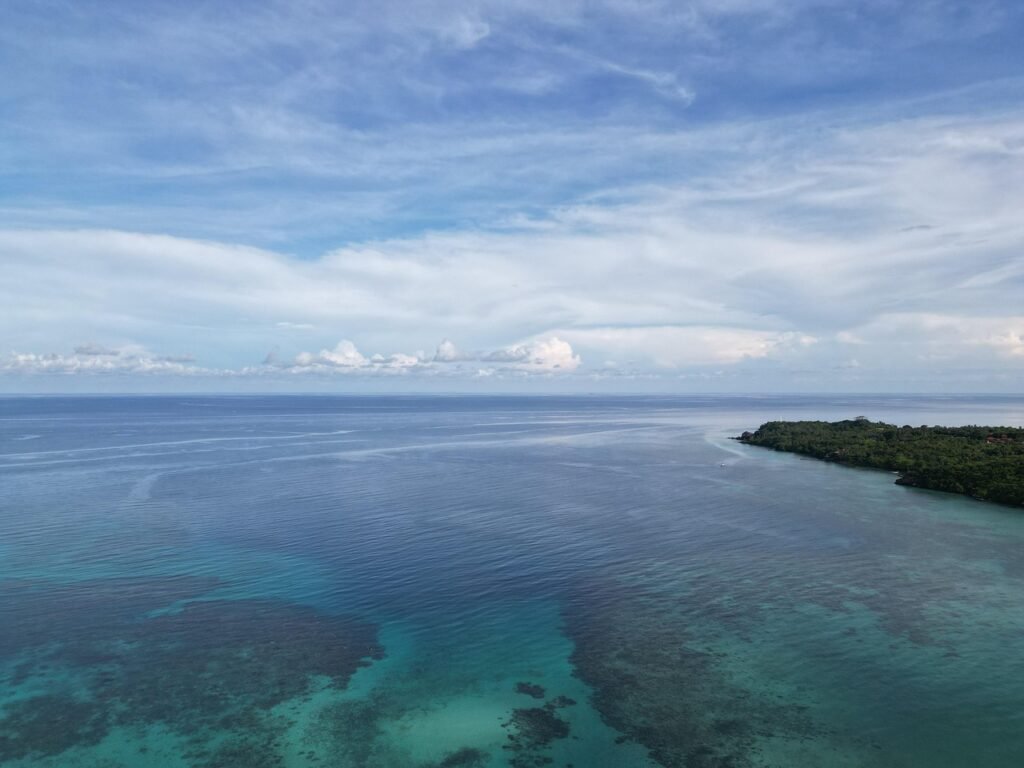
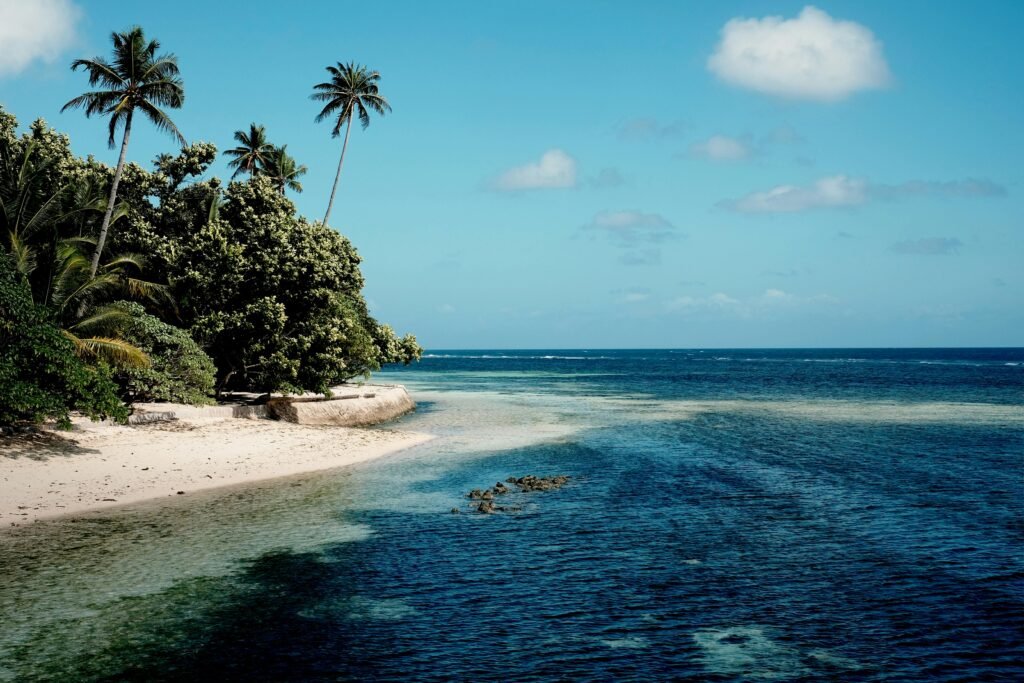
Karimunjawa is an archipelago of 27 islands located in the Java Sea, about 80–90 km north of Jepara in the province of Central Java, Indonesia. Out of the 27 islands, only around five are inhabited, while the rest remain mostly wild and unspoiled, featuring white sandy beaches, turquoise waters, and vibrant coral reefs. The entire area is part of a national park, so a small entrance fee is usually collected upon arrival.
The easiest way to reach the islands is by boat from Jepara. There are two main options: a public slow ferry that takes approximately 4–6 hours, and a fast boat that takes around 2–2.5 hours. Ticket prices typically range between 100,000 and 200,000 IDR depending on the type of boat and seating class. During certain seasons, sea conditions can be rough and departures may be canceled, so the best time to visit is during the dry season from April to October, when the sea is calmer, underwater visibility is better, and conditions for snorkeling and diving are ideal.
The main attraction of Karimunjawa is snorkeling and diving along coral reefs filled with colorful fish, starfish, and occasionally sea turtles. Island hopping tours are very popular, offering full-day boat trips between small, uninhabited islands with stops for swimming and relaxing on pristine beaches. Visitors can also rent kayaks or paddleboards, and in some areas jet skis and other water sports are available. Many travelers choose to rent a scooter to explore the main island, visit scenic viewpoints, coconut plantations, and local fishing villages. In the evenings, watching the sunset on the beach and enjoying fresh seafood at local warungs is a favorite way to end the day.
Karimunjawa is perfect for travelers looking for a quieter alternative to Bali, more natural, less commercial, and still relatively untouched. It’s an ideal destination for a few days of relaxation, swimming, and discovering small tropical islands without large crowds.
Coastline spots
The distinctive but atmospheric coasts of Central Java – not for classic sunbathing enthusiasts.
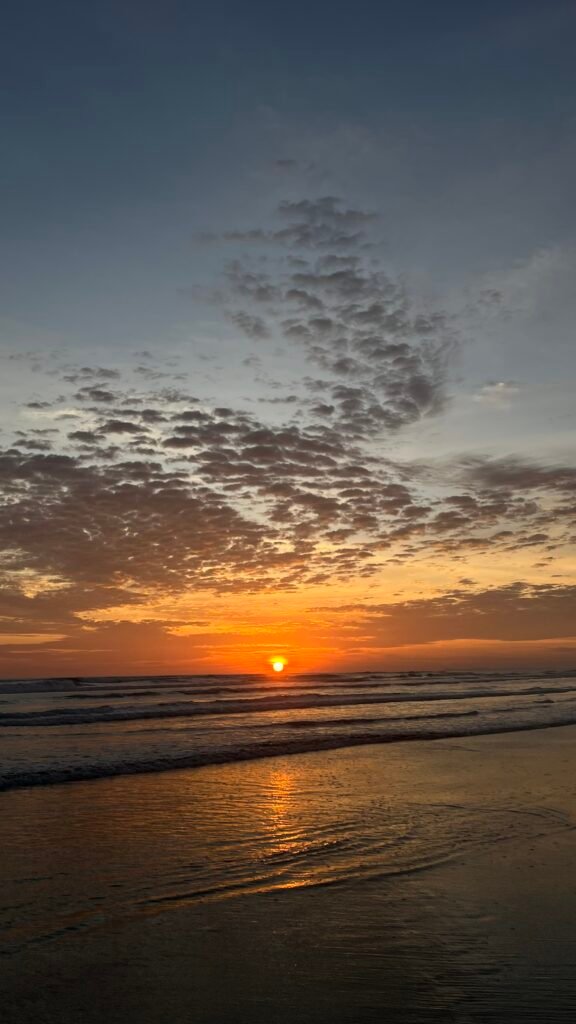
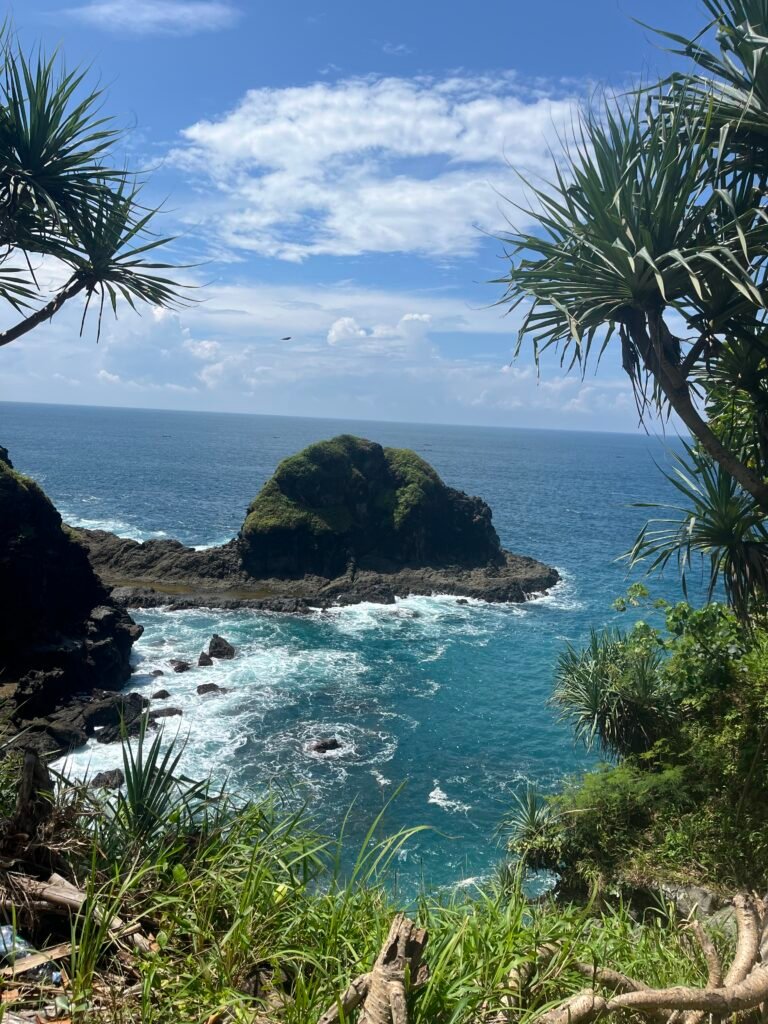
Pantai Slili – A small and peaceful cove surrounded by cliffs, offering a quiet atmosphere and scenic ocean views away from the crowds.
Pantai Menganti – One of the most beautiful coastal spots in the region, known for its dramatic cliffs, turquoise water, and panoramic viewpoints.
Pantai Parangtritis – A wide and raw beach facing the Indian Ocean, famous for powerful waves and spectacular sunsets.
HeHa Ocean View – A modern cliffside viewpoint with stunning ocean panoramas, especially popular at sunset.
Bukit Pengilon – A green hilltop overlooking dramatic cliffs and the ocean, ideal for trekking, camping, and breathtaking views.
Pantai Karang Jahe – A calmer beach with light sand and rows of palm trees, perfect for relaxing and sunset photography.
Pantai Nglambor – The best snorkeling spot in south area, protected from strong waves and rich in marine life.
Sagara View Of Karangbolong – a scenic clifftop viewpoint located in Karangbolong, Kebumen, overlooking the Indian Ocean with sweeping coastal views and stunning sunsets.
The best way to explore these coastal spots is by scooter or car, as they are spread out along the coastline and public transportation is very limited.